


The construction and mining industries have made significant advancements in excavation techniques. One of the most innovative approaches is the use of Tunnel Boring Machines (TBMs) , which allow for efficient and precise tunneling. A critical component of these machines is the slurry separation plant, which plays a vital role in managing the by-products of the tunneling process, ensuring both environmental sustainability and operational efficiency.
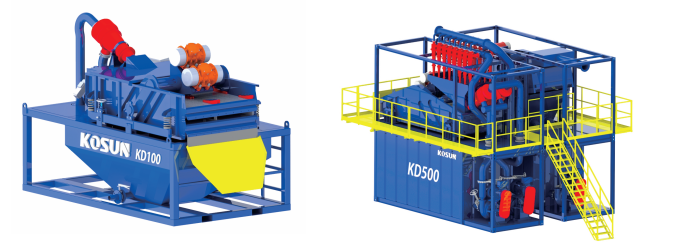
What Is a TBM Slurry Separation Plant?
A slurry separation plant is an essential facility designed to treat the excavated slurry produced during tunneling operations. When a TBM bores through the earth, it generates a mixture of soil, rock fragments, and water — known as slurry. This slurry needs to be managed effectively to maintain tunneling efficiency and prevent environmental contamination.
The main function of a slurry separation plant is to segregate the various components of the slurry. It typically comprises several stages of separation, including sedimentation, screening, and filtration. The ultimate goal is to recover reusable materials while disposing of waste in an environmentally friendly manner.
How Does a Slurry Separation Plant Work?
The operation of a TBM slurry separation plant can be broken down into several key processes:
1. Slurry Reception: The slurry produced by the TBM is transported to the slurry separation plant via pipelines and stored in a large reception tank.
2. Initial Separation: The first step involves gravity settling. Larger particles settle at the bottom, while lighter components remain afloat, reducing overall slurry volume.
3. Screening: The slurry is then passed through a series of screens that filter out residual large particles, preparing it for further processing.
4. Cyclonic Separation: In this stage, the slurry is subjected to centrifugal forces using cyclones. This process further separates finer soil particles from water, with heavier materials forced to the bottom.
5. Dewatering: After solids separation, the resulting water can be treated and reused. Dewatering systems such as belt filters or centrifuges extract additional water from solid materials.6. Waste Management – The solids collected from the slurry separation plant are often rich in reusable materials like clay or silt, which can be repurposed in construction. The waste is handled and disposed of according to environmental regulations.
Importance of Slurry Separation Plants
The significance of TBM slurry separation plants extends beyond merely facilitating the tunneling process. Here are several vital aspects:
Environmental Protection: By effectively managing slurry, these plants minimize pollution and reduce the risk of contaminating nearby water bodies, especially crucial in urban or environmentally sensitive areas.
Resource Recovery: The recycling of materials such as soil and clay reduces the need for new raw materials, promoting sustainable construction practices.
Operational Efficiency: A well-functioning slurry separation plant allows continuous TBM operation, minimizing downtime and enhancing productivity.
Cost Savings: By recovering materials and reducing waste disposal costs, slurry separation plants contribute to significant project cost savings.
Conclusion
TBM slurry separation plants are indispensable to modern tunneling operations, combining technology and environmental stewardship. Their role in efficiently processing excavated slurry contributes to sustainability, enhances efficiency, and improves safety. As urbanization and infrastructure development continue to rise globally, the importance of these advanced facilities will only grow, paving the way for more innovative and sustainable construction solutions.