


Project Overview
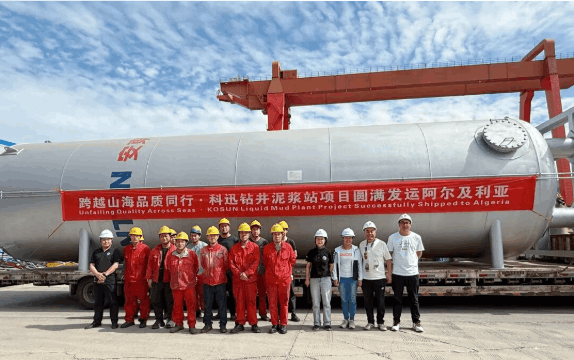
KOSUN developed an integrated drilling mud recycling and waste reduction solution for an oilfield drilling and workover project in Algeria.
The system uses a 7500 BBL mud station to support drilling fluid treatment, waste reduction, water recovery, mud recycling, preparation, and storage. As a result, the operator can manage drilling fluids more efficiently throughout the drilling and workover process.
The solution also helps reduce drilling waste and improve the use of water and drilling fluid resources.
The Challenge: Managing Drilling Mud and Waste
Oilfield drilling and workover operations generate large volumes of drilling mud and related waste. At the same time, operators need a steady supply of drilling fluids and water throughout the project.
Traditional mud handling can increase the use of new drilling fluids and water. It can also create more waste that requires transport, treatment, and disposal.
Therefore, the Algerian project needed a centralized system that could:
- Improve drilling mud recovery and recycling
- Reduce drilling waste during operations
- Treat and reuse suitable process water
- Prepare and store drilling fluids
- Support continuous drilling and workover activities
KOSUN’s Drilling Mud Recycling Solution
KOSUN designed a 7500 BBL drilling mud recycling and treatment system to meet these requirements.
The solution combines three main functions: drilling mud treatment, drilling waste reduction, and centralized mud preparation and storage.
1. Drilling Mud Treatment and Purification
The mud treatment system removes unwanted solids from circulating drilling fluids. This process helps maintain suitable mud properties for drilling and workover operations.
In addition, the system helps recover usable drilling fluid from the treatment process. Operators can then return suitable recovered fluid to the mud management cycle.
As a result, the operator can reduce mud losses and improve drilling fluid recycling.
2. Drilling Waste Reduction
The system treats drilling waste close to the point of generation. Solid-liquid separation reduces the amount of waste that requires further handling.
At the same time, the treatment process recovers suitable liquid for further use. This approach helps reduce waste transportation and downstream disposal requirements.
For continuous oilfield operations, source reduction can also help lower the overall environmental management workload.
3. Centralized Mud Preparation, Recycling and Storage
The 7500 BBL mud station provides centralized facilities for mud preparation, conditioning, recovery, and storage.
Operators can prepare new drilling mud at the station and store it for later use. They can also recover suitable drilling fluid from the treatment process and return it to the mud management cycle.
In this way, the mud station provides a more controlled supply of drilling fluids for continuous drilling and workover operations.
Integrated Drilling Mud Recycling Process
The system connects the main stages of drilling fluid management into one operating cycle:
Drilling & Workover → Mud Treatment → Solid-Liquid Separation → Fluid Recovery → Mud Conditioning → Storage → Reuse
In addition, the system can treat recovered water for suitable reuse applications. This helps reduce freshwater consumption during continuous drilling operations.
Through this process, the operator can move from a disposal-focused approach to a more efficient drilling mud recycling model.
Key Benefits
Reduced Drilling Waste
The system treats drilling waste during operations and reduces the volume that requires further transportation and disposal.
Improved Drilling Mud Recovery
The system recovers suitable drilling fluids and supports their reuse. This helps reduce mud losses and the need for new drilling fluid materials.
Water Recovery and Reuse
The system treats recovered water for suitable reuse applications. As a result, the operator can reduce freshwater demand during continuous oilfield operations.
Centralized Mud Management
The 7500 BBL mud station combines mud preparation, recovery, conditioning, and storage in one centralized facility.
This setup simplifies drilling fluid management and provides a stable mud supply for drilling and workover activities.
Lower Waste Management Requirements
By reducing waste at the source and recovering usable resources, the system reduces the amount of material that requires downstream treatment and disposal.
Therefore, the operator can improve resource efficiency while reducing part of the environmental management burden.
Project Value
The Algerian project shows how drilling mud recycling can work together with drilling waste reduction and centralized mud management in oilfield operations.
Instead of handling drilling fluid, water, and waste as separate streams, the system connects treatment, recovery, preparation, and storage into one process.
As a result, the operator can improve drilling fluid utilization, reduce waste handling, and make better use of recovered water.
The project also demonstrates KOSUN’s ability to customize drilling mud treatment and recycling solutions according to oilfield capacity, operating conditions, and mud management requirements.
Application
KOSUN’s integrated drilling mud recycling solutions can support:
- Onshore oilfield drilling
- Oilfield workover operations
- Oil and gas exploration and development
- Large-scale drilling programs
- Shale gas and coalbed methane drilling
- Centralized drilling fluid preparation and storage
For oilfield operators looking to reduce drilling waste, recover drilling fluids, and improve water utilization, an integrated mud recycling system provides a practical approach to more efficient drilling fluid management.