


Mud and slurry are common in many industrial processes, from drilling and tunneling to mining and waste treatment. Before these materials can be separated, dewatered, recycled or further treated, they often need to be transferred between different areas of the process.
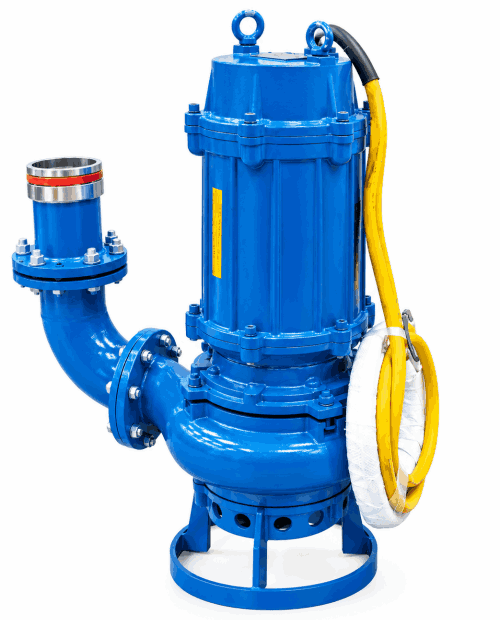
A submersible slurry pump can play an important role in this stage by transferring solid-containing liquids from tanks, pits or other collection areas to downstream equipment.
Why Is Slurry Handling Challenging?
Slurry is a mixture of liquid and solid particles, and its characteristics can vary significantly depending on the application.
Drilling mud may contain drilled cuttings and fine solids. Mining processes can produce mineral slurry and tailings, while industrial treatment processes may generate different types of sludge.
These materials cannot always be handled in the same way as clean water. Their solids concentration, particle characteristics and flow behavior can affect the requirements of the pumping process.
This makes the actual material and working conditions important considerations when planning slurry transfer.
Where Can Submersible Slurry Pumps Be Used?
A submersible slurry pump is particularly relevant to applications where solid-containing liquid accumulates in tanks, pits or other low-level areas.
In drilling and solids control, for example, drilling fluid may be collected in a mud tank before being transferred to the next treatment stage.
In tunneling and construction, slurry generated during excavation may also require collection and transfer as part of the mud treatment process.
Mining and tailings operations can involve another type of slurry, while industrial and environmental applications may require the transfer of sludge or other solid-liquid mixtures.
The specific operating conditions differ from one application to another, but the basic requirement is similar: move solid-containing liquid reliably from one process point to another.
How Does a Submersible Slurry Pump Fit into a Treatment Process?
Pumping is only one stage of a larger treatment process.
A typical system may include tanks, pumps, screening equipment, hydrocyclones, centrifuges and other separation or dewatering equipment. Each unit performs a different function, and the transfer between these units keeps the process connected.
For example, in a solids control system, a submersible slurry pump can transfer mud from a collection area to downstream separation equipment such as a decanter centrifuge.
The pump does not perform the separation itself. Its role is to provide the material transfer required for the next stage.
This relationship becomes especially important when designing a complete slurry treatment system, because pumping capacity and process requirements need to work together.
From Slurry Transfer to Treatment
Effective slurry handling is not simply about moving material.
In many applications, the transferred slurry will continue through additional processes such as solid-liquid separation, dewatering, recycling or waste treatment. The pumping stage therefore needs to fit into the overall process rather than operate independently.
KOSUNeco provides equipment for solid-liquid separation and waste treatment, with pumps, separation equipment and other process units supporting different mud and slurry handling requirements.
A submersible slurry pump may be one component of the system, but its role is practical and essential: keeping solid-containing material moving toward the next stage of treatment.
From mud collection to final treatment, reliable transfer helps keep the entire process connected.